

How do you protect Persian rugs from moths?
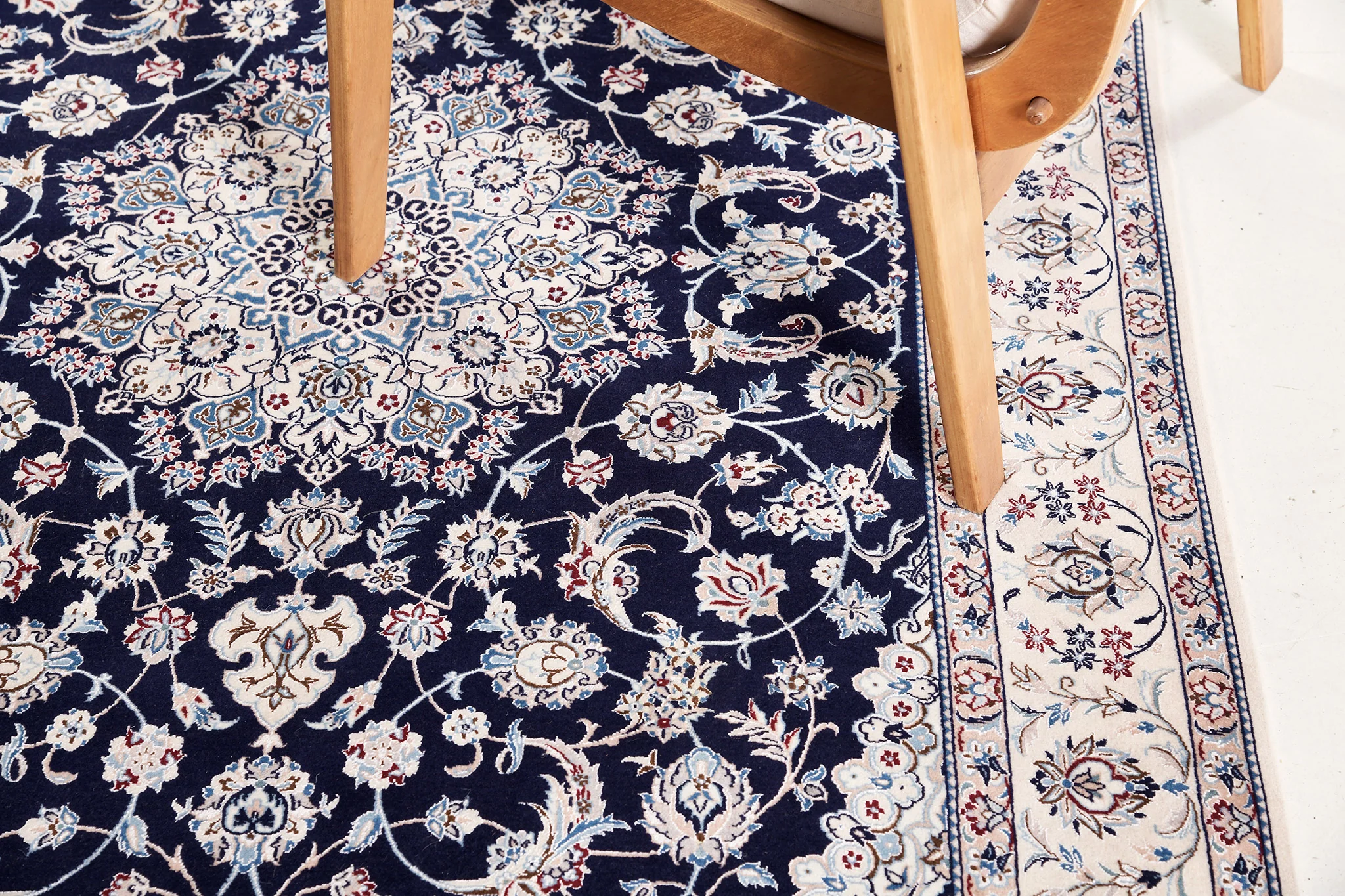




Protecting a Persian rug from moths starts with keeping it clean, moving it regularly, and inspecting the areas that stay dark and undisturbed. Clothes moth larvae feed on natural fibers such as wool, so Persian rugs can be vulnerable when soil, pet hair, or organic debris remain in the pile.
Vacuum the Rug and the Floor Beneath It
Vacuum the face of the rug regularly and clean the floor underneath whenever possible. Pay special attention to edges, corners, and sections beneath furniture, since moth activity often begins in areas that receive little movement.
Move Furniture and Inspect Hidden Areas
Shift furniture occasionally and look for loose wool, webbing, cocoons, larvae, or small bare patches. Early detection can prevent minor damage from spreading into larger areas of pile loss.
Have the Rug Professionally Cleaned
Professional cleaning helps remove dust, pet hair, food particles, and other organic material that can attract insects. Deep dusting is especially useful because moth-related debris may settle below the visible pile.
Store Persian Rugs Carefully
Before storing a Persian rug, have it cleaned and make sure it is completely dry. Roll it instead of folding it, use breathable protective wrapping, and keep it in a dry, climate-controlled space.
Avoid leaving the rug untouched for long periods in garages, attics, basements, or humid storage areas.
Act Quickly if You Notice Moth Damage
Cleaning can help remove larvae, casings, and debris, but it cannot replace wool that has already been eaten. Damaged areas may need professional repair if pile or foundation fibers have been lost.
Magic Rug Cleaners provides professional Persian rug cleaning, moth-damage evaluation, and rug repair services for wool, Oriental, handmade, antique, and specialty area rugs.